The False Clue Problem: Not Every Detail Is a Secret
The false clue problem in screenwriting: distinguish genuine clues from visual emphasis, so readers follow fair setups without treating every prop as a secret.
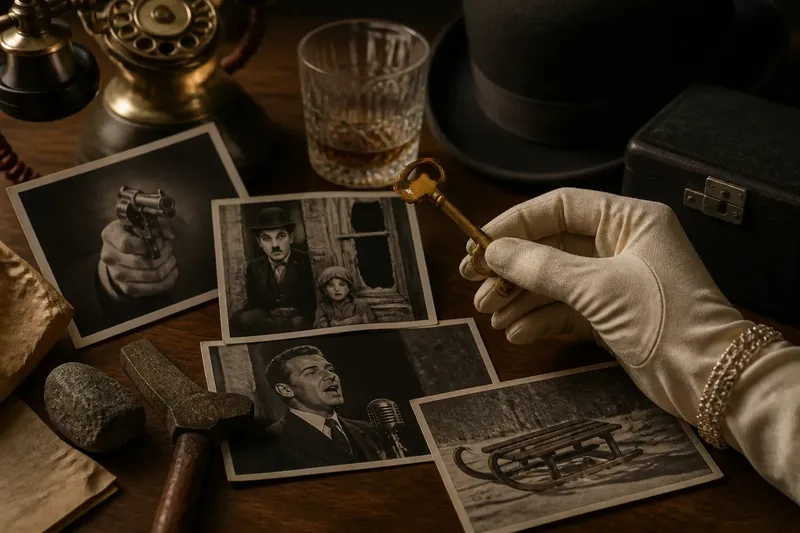
The most common false clue problem in screenwriting is treating every carefully framed object as a promise of revelation. The cost is a script that trains readers to inspect the salt cellar while its actual clues compete for attention. A detail can be noticed without becoming evidence; the writer must control what the scene asks the audience to infer.
Start with the inference, not the object. If a later turn depends on a detail, decide what the audience can observe before the reveal and how that observation supports the conclusion. If no later inference is intended, the detail can still shape tone or behaviour without acquiring a secret life.
Define the inference
A clue is not simply an unusual object. It is observable information that helps support a later conclusion. Write the conclusion in plain terms, then work backwards: what fact must the audience see, and what makes that fact relevant?
Suppose the later conclusion is that someone entered through a window. A mark on the sill may support that inference if the scene establishes that it is fresh and out of place. A decorative crack in a vase does not become evidence merely because the camera favours it.
For each proposed clue, separate three things:
- Observation: what can the audience actually see or hear?
- Inference: what might a careful viewer reasonably conclude from it?
- Confirmation: what later event connects the observation to the plot?
If one link depends on information the script has not supplied, revise the chain. A later explanation cannot make an invisible fact fair after the event.
Separate scene functions
A detail can contribute to more than one part of a scene, but its leading function should be clear to the writer. Atmosphere sets a room’s emotional texture. Character detail suggests a habit or preference. Action changes what happens now. A clue supports a later inference.
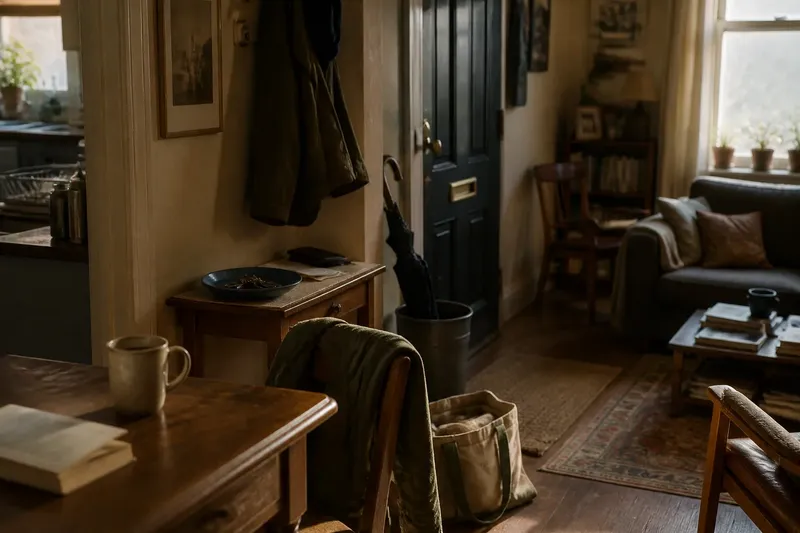
These functions do not require the same emphasis. A damp coat by the door can make a hallway feel cold and neglected. If the coat’s missing button identifies a suspect later, the script must give that feature a fair chance to register. Otherwise, the payoff depends on a distinction the audience was never asked to notice.
Character behaviour is particularly easy to over-interpret. A person who folds a takeaway receipt before binning it may be cautious, tidy, or simply done with the meal. The action can shape an impression without predicting a plot turn. Let later choices add meaning instead of making the object explain the person by itself.
Audit the visual promise
The page may not specify a close-up, yet emphasis can still emerge from a character’s glance, a pause in dialogue, an isolated sound, or repeated handling. Those cues tell a reader—and eventually a viewer—that a detail may matter. If that is not the intended promise, change the staging or give the attention another clear purpose.
Use this decision check when revising a conspicuous detail:
- Observation: The object appears once in the background, with no reaction or dialogue. If it is atmosphere, then leave it in the wider scene; otherwise, add a readable feature if the plot needs it.
- Observation: A character looks at the object, but nothing in their behaviour explains the glance. If the glance is meant to signal a clue, then connect it to an observable fact; otherwise, remove the pointed reaction.
- Observation: Dialogue names the object without giving it a practical role. If the name is meant to draw attention, then make its later relevance concrete; otherwise, let the line concern the scene’s immediate business.
- Observation: The object returns several times without gaining new information. If repetition is needed for recognition, then vary its context; otherwise, cut the redundant appearance.
- Observation: The reveal relies on a feature never shown or mentioned. If that feature is essential, then plant it earlier; otherwise, change the reveal to use evidence already available.
- Observation: A reader expects a payoff because the scene isolates the object. If the expectation matches your intention, then support the later inference; otherwise, reduce the isolation or make the object’s present scene function clearer.
It is not worth the effort to plant a secret explanation for every visible object, or to strip a room bare so readers have nothing to interpret. The aim is not to eliminate attention; it is to avoid promising a puzzle where the scene has no puzzle to offer.
Keep the chain fair
A useful clue survives three checks: the relevant feature is available before the reveal, the character’s action still makes sense without solving the mystery, and the payoff uses the same feature the setup established. A clue can be overlooked or misread on first viewing. It should not require the story to introduce a new rule during the explanation.
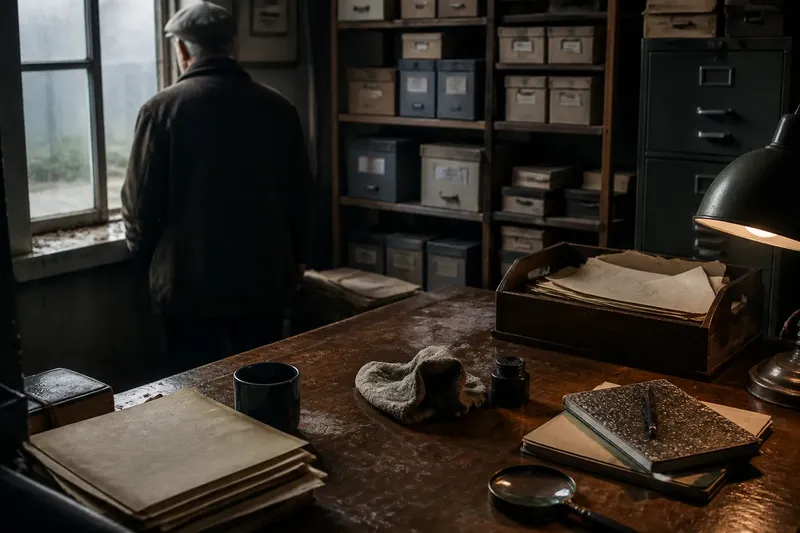
Say you are writing a scene in which a caretaker claims the archive has been locked since morning. The script shows a strip of fresh mud beneath the window; later, a character finds the latch disturbed. The starting inputs are the caretaker’s claim, the visible mud and the window’s state. First, make the mud legible as fresh rather than merely part of the floor. Next, let the later character inspect the same window without explaining the whole mystery. Finally, have the reveal connect the exterior mud to the disturbed latch. The resulting inference is that someone entered from outside, though the mud alone does not identify who. If the plot needs the intruder’s identity, it needs another fair piece of evidence.
Questions about clues?
Does every close-up need a payoff?
No, but a close-up usually signals that the detail deserves attention. If the shot serves mood or character rather than plot, make that role legible in the scene instead of staging the image like a riddle.
Can a clue look like decoration?
Yes. If it is essential, give the audience a clear chance to see its relevant feature and connect it to the later event. Repeating it can help when each appearance adds context rather than merely underlining its importance.
Should every planted detail pay off?
No. Some details support atmosphere, character or immediate action and need no later explanation. The important turns need fair evidence; the rest of the scene need not become an inventory of future revelations.
What if a reader calls a detail a clue?
Ask which signal prompted that reading: the object, a line, a reaction or the staging. If the inference is plausible but unintended, reduce the emphasis or make the detail’s current function clearer.
Revise the emphasis
Mark each conspicuous detail as atmosphere, character, action or setup, then compare that job with the way the scene presents it. A clue with no visible support may be too faint; an atmospheric detail framed as a revelation may be too loud. Adjust the evidence or the emphasis, not both by reflex.
The false clue problem in screenwriting is less about hiding objects than managing the inference they invite. Give genuine clues observable support, let character behaviour remain behaviour, and allow a scene to contain details that are simply part of its life. The most useful final question is whether the audience can tell what evidence the story is asking them to use.